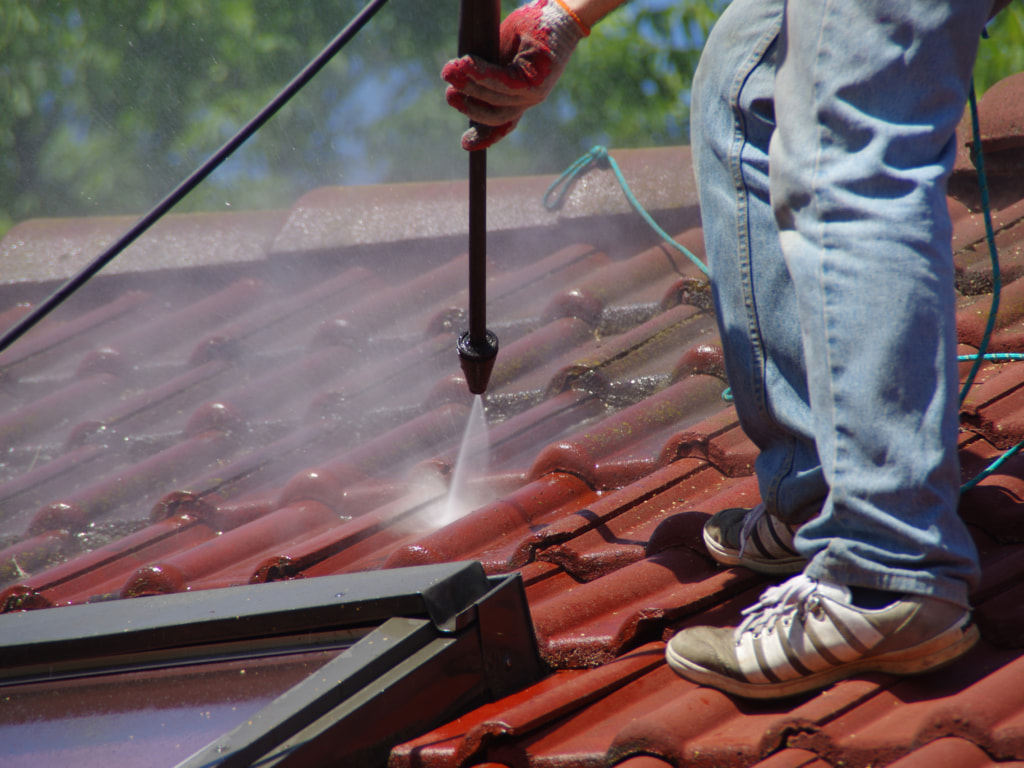
A new roof is an important investment in the long-term condition and protection of your home. As roofing materials age, they can become less effective at keeping out rain and wind, leading to leaks, damaged roof timbers and problems inside the property. Installing a new roof provides an opportunity to address existing defects and ensure the roof is suitable for the building.
For homeowners in Portsmouth, Hampshire, understanding the main considerations before arranging a roof replacement can help make the process more straightforward. From choosing suitable materials to checking the roof structure, careful planning helps ensure the finished roof meets the property’s needs.
How to Know When Your Home Needs a New Roof
Not every roofing problem requires a complete replacement. Individual repairs may be sufficient when damage is limited to a small area and the rest of the roof remains in good condition. However, widespread deterioration can indicate that a new roof may be the more appropriate long-term solution.
Common warning signs include:
- Repeated leaks in different parts of the property.
- Numerous cracked, missing or slipping roof tiles.
- Roofing materials that have become brittle or badly worn.
- Sagging areas that may indicate problems with the roof structure.
- Damaged underlay or deteriorating components beneath the tiles.
- Repairs that no longer resolve recurring roofing problems.
A professional roof inspection can help establish the extent of the deterioration and whether replacement is necessary. The decision should be based on the overall condition of the roof rather than its age alone.
Choosing the Right Roofing Materials
The roofing material affects the appearance, durability and maintenance requirements of a new roof. The most suitable option depends on the property’s design, roof pitch, existing structure and exposure to local weather conditions.
Concrete and Clay Roof Tiles
Concrete and clay tiles are widely used on pitched roofs. They provide a traditional appearance and are available in different colours and profiles. Their suitability depends on the roof structure, as the weight of the selected tiles must be properly supported.
Slate Roofing
Slate offers a distinctive finish and can provide long-lasting performance when installed correctly. It is important to consider the roof’s structure, the quality of the slate and the suitability of the supporting components before selecting this material.
Flat Roofing Systems
Flat and low-pitched roofs require materials designed to provide effective weather protection where water drains more slowly than on a pitched roof. Options may include modern felt systems and other specialist flat roofing membranes.
Before choosing a material, discuss its maintenance needs, expected performance and compatibility with the existing roof structure with a qualified roofing professional.
Why Roof Structure and Underlay Matter
The visible roof covering is only one part of the complete roofing system. Beneath it, the supporting timbers, battens, underlay and ventilation arrangements all contribute to the roof’s performance.
During a roof replacement, damaged or weakened timber should be identified and addressed where necessary. The condition of the underlay should also be checked, as deterioration can reduce its ability to help manage moisture beneath the roof covering.
Ventilation is another important consideration. Inadequate airflow can contribute to condensation within the roof space, potentially affecting timber and insulation over time. A properly planned replacement should consider these underlying elements rather than focusing solely on installing new tiles or slates.
Preparing for Roof Installation
Planning ahead can help minimise disruption while the roofing work is carried out. Before the project begins, homeowners should understand the proposed scope of work, the materials being used and how the property will be protected if the roof is temporarily exposed to the weather.
It is also useful to discuss access arrangements, the expected sequence of work and how unexpected defects will be handled if they are discovered once the existing covering has been removed.
Weather conditions can influence the progress of roofing work, so suitable precautions are important when sections of the roof are exposed. Experienced roofers plan the work carefully and take appropriate steps to protect the building during installation.
The Importance of Proper Roof Ventilation and Drainage
A new roof should manage both rainwater and moisture within the roof space effectively. Gutters, downpipes, valleys and flashing all play a role in directing water away from vulnerable areas.
Defective flashing around chimneys, roof junctions and other openings can allow water to enter even when the main roof covering is new. Similarly, blocked or poorly functioning drainage can contribute to water overflowing onto walls or collecting around roof edges.
Checking these details during installation helps ensure the replacement roof works as a complete system. Good ventilation and effective drainage also help reduce the risk of moisture-related problems developing after the work is finished.
Choosing a Roofing Specialist in Portsmouth
A successful roof replacement depends on careful assessment, suitable materials and workmanship that takes account of the property’s specific requirements. Homeowners should look for a roofing service that explains the condition of the existing roof, outlines the recommended work and answers questions clearly.
Portsmouth Roofing Repairs can help homeowners in Portsmouth, Hampshire, assess whether a new roof is appropriate for their property and discuss suitable roofing options. An assessment can identify visible defects and highlight areas that may need further attention as part of the replacement.
Conclusion
Installing a new roof involves more than replacing old tiles or roofing felt. Homeowners should consider the condition of the existing roof, the suitability of materials, the supporting structure, ventilation and drainage before work begins.
For homeowners in Portsmouth, Hampshire, careful planning and professional guidance can help ensure a new roof provides reliable protection and complements the property. If your roof is showing widespread signs of deterioration or recurring problems, contact Portsmouth Roofing Repairs to discuss your requirements and arrange an assessment.
Call us on: 023 8235 2090
Click here to find out more about Portsmouth Roofing Repairs
Click here to complete our contact form and see how we can help with your roofing needs.