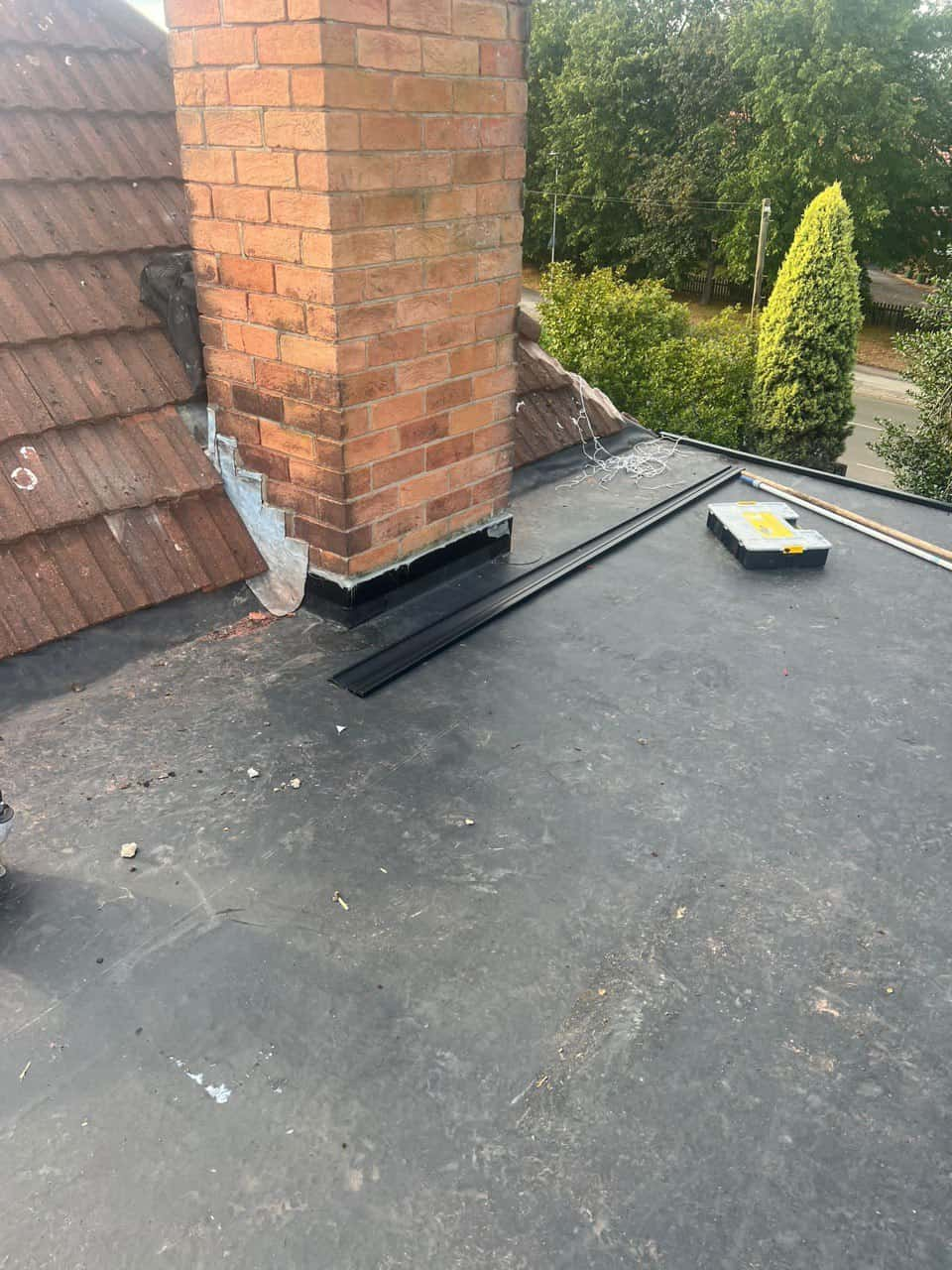
A roof needs more than sound tiles, secure flashing and a weatherproof covering to remain in good condition. Proper ventilation is also essential, particularly in the roof space where warm, moisture-laden air can become trapped. Without adequate airflow, condensation may develop and gradually affect roof timbers, insulation and other building materials.
Soffit ventilation provides an important part of the airflow system by allowing fresh air to enter through the eaves. When combined with suitable high-level ventilation, it helps air circulate through the roof space and reduces the risk of moisture-related problems. For property owners in Portsmouth, Hampshire, understanding how soffit ventilation works can help protect the condition and performance of the roof.
What Is Soffit Ventilation?
Soffits are the boards fitted underneath the overhanging edge of a roof, where the roof meets the external walls. They help protect the underside of the roof structure while providing a finished appearance to the eaves.
Soffit vents are specially designed openings or ventilation strips installed within this area. They allow outside air to enter the roof space, creating an intake point for the ventilation system.
The incoming air should be able to move through the roof void and leave through suitable high-level ventilation, such as ridge or roof vents. This continuous movement helps prevent stagnant, humid air from accumulating beneath the roof covering.
How Poor Roof Ventilation Causes Problems
Everyday activities such as cooking, bathing, drying clothes and heating a property release moisture into the indoor air. Some of this moisture can travel into the roof space, particularly if the ceiling and vapour control measures are not performing effectively.
When warm, moist air meets colder roof surfaces, condensation can form. If the roof space does not have adequate ventilation, this moisture may remain for extended periods.
Common consequences include:
- Damp roof timbers: Repeated condensation can leave timber components persistently damp.
- Mould growth: Moist conditions can encourage mould to develop on roof structures and stored materials.
- Insulation problems: Damp insulation may become less effective at limiting heat transfer.
- Timber deterioration: Prolonged exposure to moisture can contribute to timber decay.
- Unpleasant smells: Persistent dampness and mould can create musty odours within the roof space.
Good ventilation helps manage moisture, although it should be considered alongside adequate insulation, suitable vapour control and effective extraction of moisture from bathrooms and kitchens.
Why Soffit Vents Are Important for Airflow
Soffit vents provide low-level air intake, helping fresh air enter the roof space at the eaves. As warmer air rises, it can move towards high-level ventilation openings, allowing air to circulate through the roof void.
This arrangement is particularly important in cold roof constructions, where an appropriate ventilation path is needed above the insulation.
Without sufficient intake ventilation, high-level vents may not operate as intended because there is limited fresh air entering the system. Similarly, soffit vents cannot provide effective ventilation if airflow is blocked further into the roof space.
The aim is to create a clear, balanced route for air to move through the roof void without allowing insulation or stored items to obstruct the ventilation path.
Signs That Your Roof May Have Inadequate Ventilation
Ventilation problems are not always obvious from outside the property. However, certain warning signs may suggest that the roof space needs closer inspection.
Look out for:
- Condensation or moisture droplets on the underside of the roof covering.
- Dark staining or mould on roof timbers.
- A persistent musty smell in the loft.
- Damp or compressed insulation near the eaves.
- Visible soffit vents that appear blocked by paint, debris or insulation.
These symptoms do not automatically mean that soffit ventilation is the cause. Roof leaks, damaged flashing, plumbing issues and inadequate indoor moisture extraction can create similar problems. A professional inspection can help identify the source before any improvements are recommended.
Why Soffit Ventilation Needs to Be Installed Correctly
Adding ventilation openings is not simply a matter of cutting holes into existing soffit boards. The number, size and positioning of vents need to suit the roof design and applicable ventilation requirements.
It is also important to make sure insulation does not block the airflow route at the eaves. Suitable ventilation trays or baffles may be needed to maintain a clear gap between the insulation and the underside of the roof covering.
In addition, soffit vents should be selected and installed with appropriate protection against rain penetration and insects. Poorly positioned or unsuitable vents may fail to provide effective airflow or create other maintenance concerns.
Maintaining a Healthy Roof Space in Portsmouth
Roof spaces in Portsmouth, Hampshire, are exposed to changing weather conditions throughout the year. Maintaining suitable ventilation is therefore an important part of looking after the roof structure and helping manage moisture within the property.
Regular roof inspections can identify blocked soffit vents, deteriorating boards, damaged roof components and other issues that may affect ventilation. It is also worth checking that loft insulation has not been pushed into the eaves and obstructed the airflow route.
Portsmouth Roofing Repairs can assess roofing components and ventilation arrangements to help property owners understand whether their roof space has suitable airflow. Where improvements are needed, professional advice can help establish an appropriate solution for the roof’s construction.
Conclusion
Soffit ventilation plays an important role in maintaining a healthy roof space by allowing fresh air to enter through the eaves and supporting airflow towards high-level vents. When properly designed and maintained, this ventilation helps manage moisture and reduce the risk of condensation affecting roof timbers and insulation.
If you have noticed dampness, mould or blocked vents around your roof space, contact Portsmouth Roofing Repairs to arrange a professional assessment. Addressing ventilation concerns early can help protect the condition of your roof and the property beneath it.
Call us on: 023 8235 2090
Click here to find out more about Portsmouth Roofing Repairs
Click here to complete our contact form and see how we can help with your roofing needs.