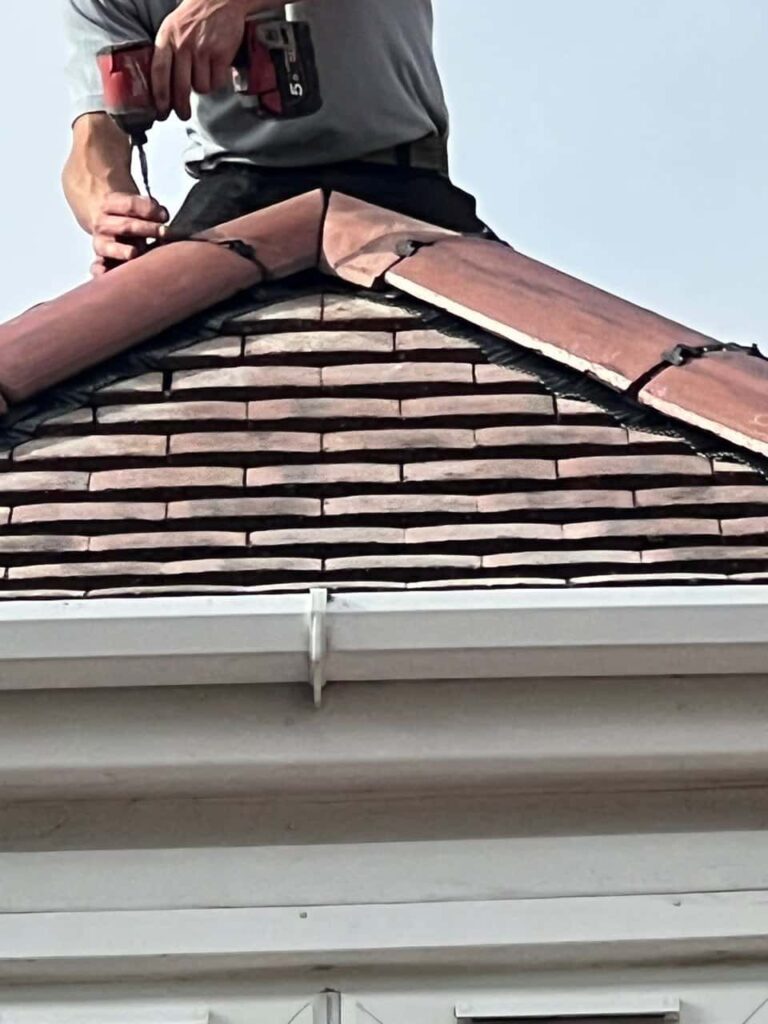
Severe weather can put any roof to the test. High winds, heavy rain, and flying debris often leave homeowners wondering if their property has suffered damage. One of the most common problems following a storm is slipped or displaced roof tiles. Even a single loose or missing tile can compromise your roof’s waterproofing, leading to leaks and further deterioration if not addressed promptly. For property owners in Portsmouth, Hampshire, Portsmouth Roofing Repairs offers professional roof inspections and repairs to restore peace of mind and ensure your home remains fully protected.
Why Roof Tiles Slip After a Storm
Roofs in coastal areas like Portsmouth face challenging weather conditions throughout the year. Storms can loosen or dislodge tiles for several reasons, including:
- Strong winds: Gusts can lift and shift tiles, especially if fixings are worn or mortar joints have weakened.
- Heavy rain: Persistent downpours can wash away mortar securing ridge or hip tiles.
- Fallen debris: Branches or other objects can crack tiles or knock them out of position.
- Ageing materials: Over time, nails and clips corrode, and tiles become more vulnerable to movement.
After any major storm, carrying out a visual inspection — or better yet, arranging a professional one — can prevent small issues from becoming expensive repairs later on.
The Importance of Post-Storm Roof Inspections
Storm damage isn’t always immediately obvious. A few displaced tiles might not seem serious at first, but they can quickly lead to water ingress, dampness, and timber decay beneath the surface. Checking your roof promptly ensures that you can spot early warning signs and act before the problem escalates.
Portsmouth Roofing Repairs recommends a systematic approach to post-storm roof checks, focusing on key areas most susceptible to tile movement or damage.
Slipped Tiles Inspection Checklist
Below is a practical checklist to help homeowners identify potential roof issues after a storm. While many of these checks can be carried out safely from ground level or using binoculars, more detailed inspections should always be handled by qualified professionals.
1. Roof Ridge and Hip Tiles
Ridge and hip tiles (the ones running along the top and corners of your roof) are often the first to suffer in high winds. They are exposed to strong gusts and rely heavily on mortar or mechanical fixings to stay secure. Look for:
- Gaps or missing sections along the ridge line
- Visible cracks or misaligned tiles
- Loose mortar or debris on the ground below
If ridge tiles have shifted even slightly, water may enter through the gaps, leading to leaks during the next rainfall.
2. Main Roof Slopes
The main body of the roof should be checked for any displaced or cracked tiles. Even a small movement can break the seal that keeps water out. Signs of potential damage include:
- Uneven rows or gaps between tiles
- Missing tiles leaving the underlay exposed
- Debris or broken fragments around the property perimeter
If you can see underlay flapping in the wind or notice daylight through the loft, this indicates urgent repair is needed.
3. Roof Valleys
Valleys, where two roof slopes meet, handle large volumes of rainwater. Any tile displacement here can lead to serious leaks. Inspect for:
- Blocked valleys filled with debris or leaves
- Misaligned or cracked valley tiles
- Damp marks beneath valley areas on interior ceilings
Storm debris can easily clog valleys, so keeping them clear is essential for proper drainage.
4. Flashing Around Chimneys and Vents
Flashing — the metal or lead seal around chimneys, skylights, and vents — is another vulnerable point. Strong winds can lift or crease flashing, breaking the waterproof seal. Warning signs include:
- Lifted or bent flashing edges
- Gaps where the flashing meets brickwork or roof tiles
- Damp staining on interior walls near the chimney
Professional roofers such as Portsmouth Roofing Repairs can reseal or replace flashing to prevent water ingress and structural deterioration.
5. Roof Edges and Eaves
Tiles near the edges of the roof are often the first to be lifted during a storm due to wind pressure. Check for:
- Missing verge tiles or mortar along gable ends
- Dislodged tiles overhanging the guttering
- Signs of movement where the roof meets the fascia board
Loose tiles at the roof edge can also become safety hazards, especially during subsequent high winds.
6. Gutters and Downpipes
While not part of the roof covering itself, gutters play a vital role in preventing leaks. After a storm, inspect:
- Build-up of broken tiles, mortar, or leaves in gutters
- Overflowing or sagging sections
- Damp streaks on walls below gutter lines
Blocked gutters can cause rainwater to back up under roof tiles, increasing the risk of leaks.
7. Internal Signs of Moisture
Finally, don’t forget to check inside your home. Even if your roof looks intact, there may still be hidden water damage. Look for:
- Damp patches or discolouration on ceilings or walls
- Musty odours or mould growth in loft spaces
- Dripping water during or after rainfall
If any of these signs are present, contact Portsmouth Roofing Repairs to arrange a professional assessment.
Why Professional Roof Inspections Are Essential
While visual checks are useful, only a qualified roofer can perform a thorough post-storm inspection safely and effectively. Professionals can access all roof areas, identify subtle signs of weakness, and repair or replace damaged tiles using proper techniques and materials.
The Benefits of a Professional Inspection Include:
- Accurate diagnosis: Detecting underlying issues such as hidden cracks or failing fixings.
- Preventative action: Addressing minor damage before it develops into a leak.
- Extended roof lifespan: Ensuring ongoing performance and durability.
- Peace of mind: Knowing your property is fully weatherproof following a storm.
At Portsmouth Roofing Repairs, our experienced team carries out detailed roof inspections and repairs across Portsmouth and the surrounding Hampshire area. We ensure every roof is restored to its original strength and stability, providing homeowners with long-term protection.
Preventing Future Tile Slippage
Once your roof has been inspected and repaired, a few preventative measures can help reduce the likelihood of future damage:
- Schedule routine roof maintenance every couple of years.
- Keep gutters clear to ensure proper drainage.
- Trim back nearby trees to prevent debris impact.
- Replace ageing mortar or fixings before they fail.
Being proactive with maintenance can significantly extend the lifespan of your roof and reduce the risk of storm-related issues.
Conclusion
After a storm, even small signs of roof tile displacement can indicate underlying damage. Regular inspections, particularly following severe weather, are essential to keeping your roof watertight and structurally sound. By using this checklist and calling in professionals when necessary, you can ensure your home remains well-protected against future storms. For reliable roof inspections and repairs in Portsmouth, Hampshire, Portsmouth Roofing Repairs provides expert services that restore your roof’s integrity and give you complete peace of mind.
Call us on: 023 8235 2090
Click here to find out more about Portsmouth Roofing Repairs
Click here to complete our contact form and see how we can help with your roofing needs.