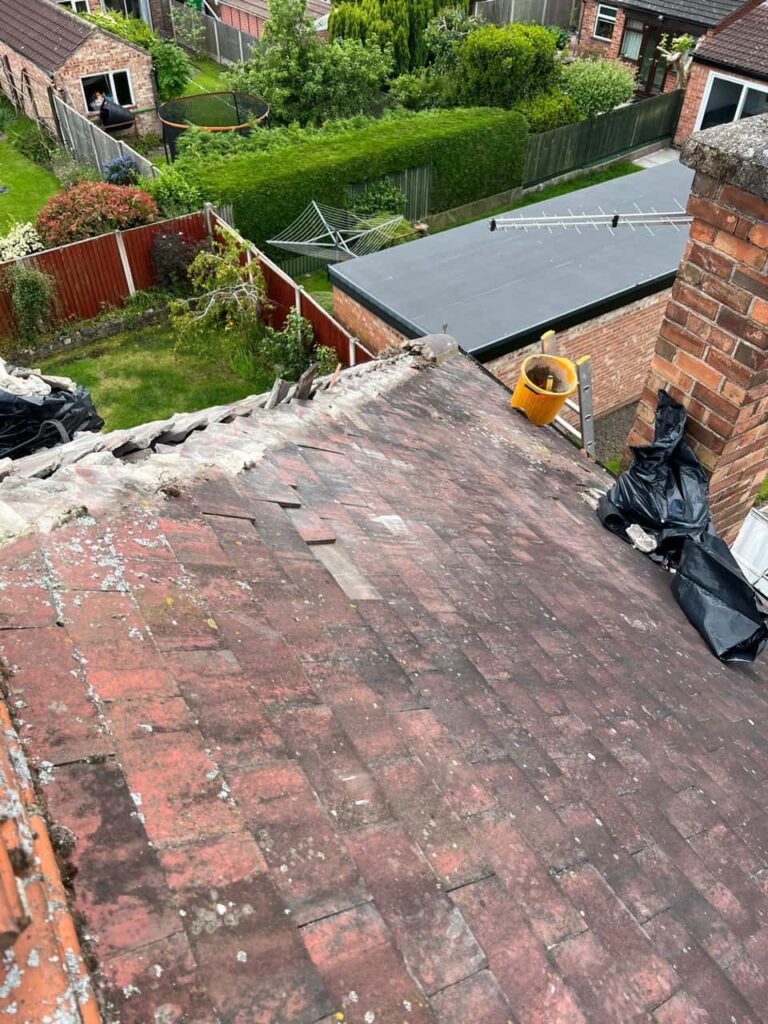
A roof leak is never something to ignore, but the risks increase significantly when a leak has been present for an extended period. What begins as a small drip can quickly turn into a wide-reaching problem that affects the structure, safety, and overall condition of the home. For homeowners in Portsmouth—where coastal weather can accelerate roof wear—understanding why older leaks become more dangerous is essential in preventing long-term damage.
Portsmouth Roofing Repairs works with homeowners to identify leaks early, stop existing issues from spreading, and protect the home from further deterioration.
Water Spreads Further Over Time
When a leak is left untreated, the water doesn’t stay in one place. It travels through roof layers, timbers, insulation, and even internal walls. The longer it continues, the wider the affected area becomes.
This can lead to:
- Damp conditions developing across multiple rooms
- Hidden moisture in loft insulation
- Staining and bubbling on ceilings
- Damage that is far more complex to repair
A leak that once required a small fix can evolve into a much larger challenge if not addressed promptly.
Prolonged Exposure Weakens Timber and Structural Elements
One of the biggest dangers of an ageing roof leak is its effect on timber. Rafters, joists, and loft supports absorb moisture over time, gradually losing their strength.
If left untreated, this can result in:
- Timber softening or rotting
- Increased risk of structural sagging
- Roof movement during strong winds
- Long-term instability of the roofing system
Older leaks are far more likely to compromise structural integrity than newly discovered ones.
Mould and Mildew Thrive in Long-Term Moisture
When moisture builds up over weeks or months, conditions become ideal for mould growth. This hidden spread often occurs inside loft spaces, behind plaster, or beneath insulation.
Common indicators include:
- Musty smells
- Dark spotting on ceilings or walls
- Poor air quality in upper rooms
Once mould becomes established, it can move quickly and is much harder to tackle.
Underfelt Deteriorates and Allows More Water In
The roof underlay is designed to provide a secondary barrier, but prolonged exposure to moisture can cause it to deteriorate. As it weakens, it becomes less effective at stopping water, meaning even small leaks can grow worse.
Older leaks can cause:
- Tears in the membrane
- Areas where underfelt collapses
- Water entry that bypasses the tiles entirely
Once the underlay is compromised, the leak can spread far more rapidly.
Repeated Wetting and Drying Damages Roof Materials
Every time a leak introduces moisture and then dries out, it causes expansion and contraction within the materials. Over months or years, this cycle contributes to:
- Crumbling mortar
- Loosened fixings
- Increased tile movement
- Larger gaps for water to enter
This ageing effect means leaks accelerate roof deterioration significantly.
Internal Damage Becomes Costly and More Difficult to Repair
Over time, the leak affects not just the roof but the interior of the home. Plaster walls, ceilings, electrical fittings, and insulation can all become damaged if the leak is not fixed quickly.
The longer the leak is present, the more restoration is required after the roof is repaired.
Conclusion
A roof leak that is caught early is usually straightforward to resolve. However, once a leak has been left to develop, it becomes far more dangerous—weakening timbers, spreading moisture, encouraging mould growth, and causing widespread internal damage.
If you’re in Portsmouth and have spotted signs of a leak, Portsmouth Roofing Repairs can provide a prompt, professional inspection to prevent the problem from becoming more serious.
Call us on: 023 8235 2090
Click here to find out more about Portsmouth Roofing Repairs
Click here to complete our contact form and see how we can help with your roofing needs.