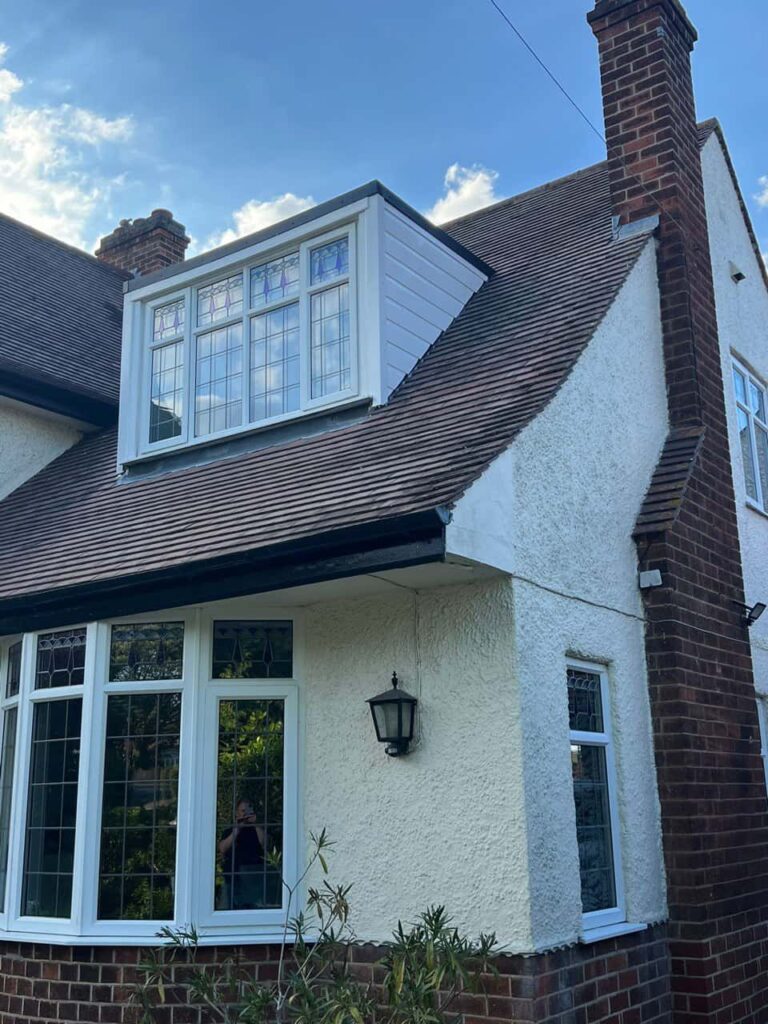
Moss is a common sight on roofs throughout the UK, particularly on properties that experience frequent rainfall, shaded conditions, or limited direct sunlight. While a small amount of moss may seem harmless, allowing it to grow unchecked can lead to a range of roofing problems over time. Many homeowners underestimate the impact moss can have on the condition and lifespan of their roof until significant damage has already occurred.
For property owners in Portsmouth, Hampshire, understanding the risks associated with roof moss can help prevent unnecessary repairs and maintain the long-term performance of the roofing system. At Portsmouth Roofing Repairs, we regularly help homeowners address moss-related roofing issues before they become more serious.
1. Moss Retains Moisture
One of the biggest concerns with moss growth is its ability to hold water.
This Can Lead To
- Prolonged dampness on roofing materials
- Slower drying after rainfall
- Increased exposure to moisture
Roofing materials are designed to shed water efficiently, but moss interferes with this natural process.
2. Damage to Roof Tiles
As moss expands and thickens, it can begin affecting the condition of roof tiles.
Potential Problems Include
- Surface deterioration
- Accelerated weathering
- Increased vulnerability to cracking
- Reduced tile lifespan
The longer moss remains in place, the greater the risk of tile damage.
3. Lifted and Displaced Tiles
Moss often grows between roofing materials as well as on top of them.
Over Time, This Can
- Force gaps between tiles
- Affect tile alignment
- Increase movement during adverse weather
- Create vulnerable points within the roof covering
Even small areas of displacement can increase the risk of water ingress.
4. Blocked Gutters and Drainage Systems
Moss does not remain permanently attached to the roof.
As It Breaks Away, It Can Cause
- Gutter blockages
- Downpipe obstructions
- Reduced water flow
- Overflowing drainage systems
Poor drainage can create additional roofing and property maintenance issues.
5. Increased Risk of Water Ingress
The combination of retained moisture, damaged tiles, and blocked drainage can make roofs more vulnerable to leaks.
Water May Find Its Way Into
- Roof spaces
- Underlay layers
- Loft areas
- Internal ceilings
Addressing moss growth early helps reduce this risk significantly.
6. Added Weight on the Roof
Moss may appear lightweight, but when saturated with water it can add noticeable weight to roofing materials.
This Additional Load Can
- Increase stress on older roofs
- Contribute to material deterioration
- Affect overall roof performance
While the effect is often gradual, it should not be ignored.
7. Hidden Roofing Defects
Heavy moss growth can conceal developing roofing problems.
Issues Hidden Beneath Moss May Include
- Cracked tiles
- Loose tiles
- Damaged flashing
- Areas of wear and deterioration
A roof covered in moss can be difficult to inspect accurately, allowing defects to go unnoticed for longer.
Why Moss Thrives on Roofs
Certain conditions encourage moss growth.
Common Factors Include
- Shaded roof areas
- Frequent rainfall
- Damp conditions
- Poor roof maintenance
- Accumulated debris
Regular roof inspections can help identify moss growth before it becomes problematic.
The Importance of Professional Moss Removal
Removing moss incorrectly can damage roofing materials and create further problems.
Professional Roof Maintenance Helps
- Remove moss safely
- Protect roofing materials
- Identify hidden defects
- Restore proper drainage performance
Regular maintenance helps keep the roof in good condition while reducing the likelihood of future issues.
How Regular Roof Inspections Help
Routine inspections allow roofing professionals to assess the condition of the roof and identify moss-related concerns early.
Inspections Can Reveal
- Areas of active moss growth
- Tile damage
- Drainage problems
- Potential repair requirements
This proactive approach often prevents more significant roofing problems from developing.
Conclusion
Moss may seem harmless, but over time it can contribute to a range of roofing issues including moisture retention, tile damage, drainage blockages, and an increased risk of leaks. Left untreated, even moderate moss growth can shorten the lifespan of roofing materials and create avoidable maintenance challenges.
For homeowners in Portsmouth, Hampshire, regular roof inspections and professional moss removal are effective ways to protect the long-term health of the roof. If your roof is showing signs of moss growth, Portsmouth Roofing Repairs can provide expert advice, professional assessments, and reliable roofing services to keep your property protected throughout the year.
Call us on: 023 8235 2090
Click here to find out more about Portsmouth Roofing Repairs
Click here to complete our contact form and see how we can help with your roofing needs.